
How to Prepare Your Yard for Professional Landscaping Projects: Expert Tips
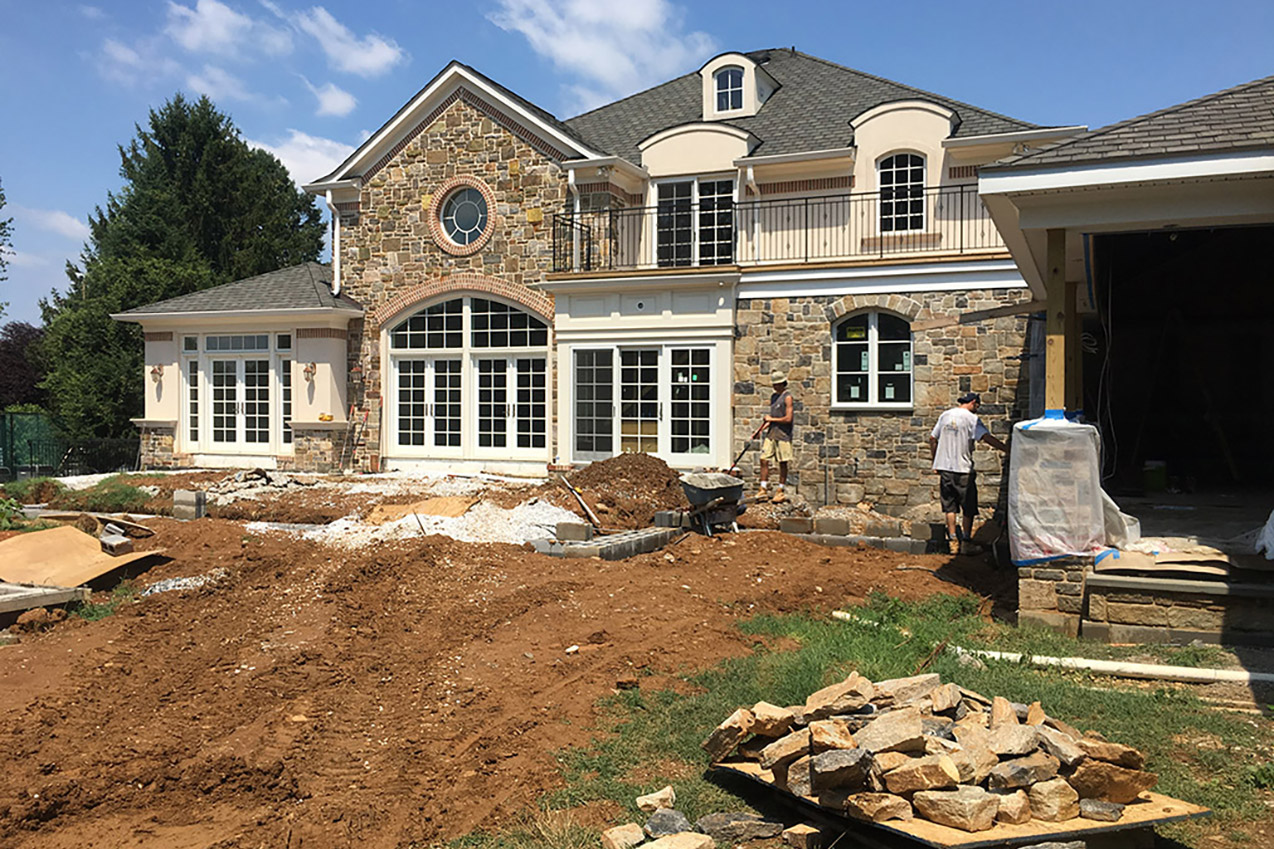
Standing in your backyard, you see the potential. Maybe it’s a space for summer barbecues, or that perfect patio where the kids can hang out with friends. But right now, all you see are questions. Where do you start? What if something goes wrong? Those Pinterest boards make it look so easy, but reality feels a lot more complicated.
Many Maryland homeowners feel the same way. Between juggling a busy professional life and family commitments, finding time to properly plan a landscaping project can feel impossible. Add in worries about property value and making expensive mistakes, and it’s no wonder the project keeps getting pushed to “maybe next season.”
Here’s the good part – preparing your yard for professional landscaping doesn’t have to be overwhelming. With the right guidance, you can set your project up for success from day one. As masonry and landscaping experts serving Baltimore, Harford, Anne Arundel and Howard counties, plus Southern Pennsylvania, we’ve helped hundreds of homeowners turn their outdoor dreams into reality.
In this guide, we’ll walk you through every step of preparing your yard for professional landscaping. You’ll learn exactly what to do before the first shovel hits the ground, from practical tips about soil testing to smart ways to protect your existing landscape features. By the time you finish reading, you’ll have a clear roadmap for getting your yard ready for its amazing transformation.
Essential Steps to Prepare Your Yard for Professional Landscaping
Before any professional landscaping project begins, proper preparation makes all the difference in the final results. Here’s what Maryland homeowners need to do:
- Clear and Clean the Area
- Walk your property and remove loose debris, animal droppings, dead plants, and any items that might get in the way. It is also a nice touch to cut your grass before work begins in your yard.
- Take photos of your yard from multiple angles – these help with “before and after” comparisons
- Mark your utility lines with flags or paint. Gibraltar Masonry will handle calling Miss Utility, who will mark main utilities to your home like water, gas and electric. They will not mark for add-ons like electric to a shed or a underground gas line for a grill.
- Evaluate Soil Condition
- Check your soil’s quality in different areas of your yard
- Look for spots where water pools after rain
- Make notes about areas where grass struggles to grow
- Test soil pH levels if you’re planning new garden areas
- Address Drainage Issues
- Watch how water moves through your yard during rainfall
- Write down where puddles form and stay for more than 24 hours
- Notice areas where soil erodes or washes away
- Look for wet spots near your home’s foundation
- Prepare for Equipment Access
- Create a clear path at least 8 feet wide for machinery
- Move vehicles, grills, and patio furniture away from work areas
- Flag sprinkler heads so they don’t get damaged
- Have gates installed that are wide enough for equipment
- Document Existing Features
- Map out underground utilities and irrigation systems
- Note trees and plants you want to keep
- Mark property boundaries
- Take measurements of existing hardscape features
Understanding Your Landscape’s Potential
Living in Maryland means working with specific climate challenges, unique soil types, and weather patterns that can make or break your landscaping project. Think about your yard like a blank canvas – but one that already has its own personality and natural flow.
Professional Site Assessment Benefits
Most homeowners we work with in Baltimore County tell us the same thing – they wish they’d gotten a professional assessment sooner. A trained eye spots things you might miss. That natural slope you’ve always battled with? It might actually save you thousands in grading costs.
During a professional assessment, we look for key elements that affect your project’s success:
- Hidden drainage patterns that could cause problems later
- Natural grade changes that influence water flow
- Sun and shade patterns throughout the day
- Existing features worth preserving
Identifying Your Yard’s Natural Features
Your property has its own story to tell. Those wildflowers that pop up in the same spot every spring? They’re giving us clues about soil conditions. The area where your grass stays green longer during dry spells might indicate natural water patterns we can use to our advantage.
We had a client in Howard County whose yard told an interesting story. One corner of their property always seemed to have healthier plants, even without extra care. During our assessment, we discovered this area had excellent natural drainage and richer soil. We used this information to design a garden space that worked with these natural advantages, saving them money on soil amendments and reducing long-term maintenance needs.
Property Value Considerations
Smart preparation doesn’t just make your landscaping project smoother – it can boost your home’s value before the main work even starts. Key factors that influence property value include:
- Mature trees preserved during preparation
- Proper drainage solutions installed early
- Smart grading choices that prevent future problems
- Well-planned spaces that reduce maintenance costs
A recent project perfectly illustrates this point. The homeowners had several mature oak trees they worried might need to go. By carefully planning around these trees during the preparation phase, we not only preserved them but also created a natural shade canopy for their new patio space. These trees now add significant value to their property while reducing their summer cooling costs.
Proper drainage solutions, when planned early, protect your home’s foundation and prevent costly repairs down the road. This kind of forward thinking pays off in both immediate project success and long-term property value. We’ve seen how homes with well-planned landscapes, starting from the preparation phase, consistently command better resale values in our local market.
Essential Pre-Landscaping Documentation
Getting your paperwork in order might sound boring, but it’s a step that saves Maryland homeowners serious headaches down the road. Think of it as creating a roadmap for your project’s success.
Creating a Property Blueprint
Start by mapping out your yard’s current state. You might be surprised by what you discover when you really look at your space on paper. A good property blueprint doesn’t need to be fancy – it just needs to be accurate.
We recently worked with a family in Harford County who thought they needed a complete overhaul of their backyard. After creating a detailed blueprint, we found ways to work with their existing patio, saving them thousands while still giving them the outdoor kitchen they wanted.
Here’s what your blueprint should capture:
- Existing structures and hardscaping
- Trees and major plantings you want to keep
- Property line measurements
- Areas that need special attention
Documenting Utility Locations
The process starts with a call to Miss Utility. They’ll mark public utilities, but don’t forget about private lines. That invisible dog fence you installed last summer? Make sure it’s on the map. The same goes for irrigation systems and any buried cables for landscape lighting.
Photography and Measurement Tips
Photos do more than just give you great before-and-after shots. They help us plan better and can prevent misunderstandings about which areas need work. A family in Baltimore County showed us photos of how water pooled in their yard during rainstorms. Those images helped us design a drainage solution that saved their new landscape from washing away.
Take photos on a clear day when shadows won’t hide important details. Walk your property’s perimeter, then work your way in. Get shots from your deck, from upstairs windows – anywhere that gives you a different perspective on your space.
Measurements matter too, but don’t get overwhelmed trying to measure everything. Focus on key dimensions like the distance from your house to property lines, the width of existing pathways, and the size of areas where you’re planning new features.
Professional Site Preparation Steps
Site preparation might not be the most exciting part of landscaping, but it’s where Gibraltar’s expertise really shines. Getting this phase right sets the foundation for everything that follows.
Soil Quality Assessment
The secret to a successful landscape lies beneath your feet. Maryland’s soil varies dramatically – even within the same yard.
Here’s what a soil assessment covers:
- pH levels and nutrient content
- Soil composition and texture
- Compaction levels
- Organic matter content
Drainage Evaluation
Water can be your landscape’s best friend or worst enemy. Take the case of a Harford County family who couldn’t figure out the drainage issue they were having. They had a steep hillside on the back of their property and during heavy rains water would flow down the hill. We did an assessment and shot grades to find a solution. The fix involved regrading and installing trenches to direct water to the area originally intended to flow away from the property
Proper drainage evaluation involves watching how water moves across your property during different conditions. We look for subtle signs that many people miss – areas where grass grows differently, spots where soil stays wet long after rain, and patterns in the way leaves collect after storms.
Access Route Planning
Planning how equipment will reach your project area seems simple enough. But we’ve learned that careful access planning protects both your property and your budget.
Some key considerations for equipment access:
- Gate widths and height clearances
- Tree branch obstacles
- Ground stability along access routes
- Protection for existing landscaping
Our team takes time to map out the equipment’s path we will use and protect sensitive areas before work begins. It is a high priority that preventative measures be taken to protect areas like driveways, walkways and gardens.
Protecting Existing Landscape Features
Your yard’s existing features often represent years of growth and investment. We’ve seen too many cases where valuable plants were damaged unnecessarily during landscaping projects.
Tree and Shrub Protection
Big equipment and established trees don’t always play nice together. A mature maple or oak might have roots extending far beyond its canopy.
Protection starts with understanding your trees:
- Map out root zones for major trees
- Identify branches that need temporary tying or pruning
- Mark protection zones with bright fencing
- Plan equipment routes that avoid root systems
Irrigation System Considerations
That sprinkler system you invested in needs special attention during landscaping work. We once had a client in Anne Arundel County who forgot to mention their recently installed irrigation system. Fortunately, our standard preparation process caught it before any damage occurred.
Protecting your irrigation system means more than just marking sprinkler heads. We need to know about every valve box, every control line, and especially those easy-to-miss drip irrigation tubes.
Preserving Valuable Plants
Sometimes the plants worth saving aren’t obvious at first glance. These days, we do a thorough plant inventory before any work starts.
Valuable plants might need temporary relocation during your project. We talk with our customers before starting each project to find out if they have plants they would like to salvage. We’ve developed methods for safely moving and storing plants that give them the best chance of survival.
A great example came from a recent project near Baltimore. The homeowner had a collection of heirloom peonies passed down through their family. Before starting the main landscaping work, we carefully dug and stored these precious plants, then replanted them in a specially prepared bed once the major work was complete. Those peonies are still blooming beautifully, and now they’re part of a landscape that shows them off even better than before.
Planning for Project Success
Time and weather shape every landscaping project in Maryland. After years of working with the local climate, we’ve learned that planning around these factors can mean the difference between a smooth project and a frustrating one.
Project Timeline Expectations
Every client asks us, “How long will this take?” The honest answer depends on many factors. A recent project in Harford County shows why – what started as a simple patio installation grew into a larger drainage solution when we discovered hidden water issues during preparation.
Typical timeline factors include:
- Size and complexity of your project
- Current site conditions
- Weather considerations
- Permit requirements
- Material availability
Weather Considerations
Maryland’s weather keeps us on our toes. Summer thunderstorms, spring mud, and winter freezes all affect when and how we can work. We build these weather patterns into our planning based on years of local experience.
A client in Howard County taught us a valuable lesson about timing. They wanted to start their project in April, traditionally one of our wettest months. We suggested waiting until May, and that patience paid off – their project finished faster and with fewer weather delays than if we’d pushed ahead earlier.
Budgeting and Phasing
Smart budgeting means looking beyond the obvious costs. Remember that Baltimore family who saved thousands by breaking their project into phases? They transformed their backyard over two years, spreading the cost while still achieving their dream space.
Breaking down your project can make sense when:
- You want to split costs across tax years
- Certain areas need immediate attention
- You’re testing design concepts
- Seasonal timing affects different project parts
Here’s something we’ve learned from living and working in Maryland – preparation costs often save money in the long run. We worked with a family in Cecil County who almost skipped proper drainage preparation to save money. After we showed them photos of similar projects where skipping this step led to costly repairs, they understood the value of doing things right the first time.
Success in landscaping isn’t just about the end result – it’s about getting there smoothly. We recently completed a project in southern Pennsylvania where careful planning meant the homeowner could still use parts of their yard throughout the construction process. That’s the kind of thoughtful preparation that makes a real difference in your daily life during a landscaping project.
Why Trust Gibraltar Masonry and Landscaping?
When it comes to preparing your Maryland property for landscaping, experience makes all the difference. Our roots in masonry give us a unique perspective on outdoor projects – we understand how every layer of your landscape works together, from the soil up.
Our Quality Promise
Behind every project stands our 5-year warranty – one of the strongest in Maryland. We back this up with comprehensive insurance coverage and a straightforward guarantee: we do what we say we’ll do.
A recent project in Baltimore County shows how this works. During preparation, we discovered unstable soil that could have caused problems years later under their project. Instead of just working around it, we addressed it properly. That’s the difference professional experience makes.
Ready to Start Your Landscape Transformation?
Your perfect outdoor space begins with proper preparation. Whether you’re dreaming of a new patio for summer barbecues or planning a complete backyard makeover, we’re here to help you get it right from the start.
Get Your Free Professional Site Assessment
Take the first step toward your dream landscape. Our team will:
- Walk your property with you
- Discuss your vision and goals
- Identify potential challenges
- Provide clear preparation recommendations
- Give you a detailed timeline and cost estimate
Call us at 443-417-4032 today and ask about our free site assessment. We serve homeowners throughout Baltimore, Harford, and Howard counties, plus Southern Pennsylvania.